Landscape Vision Guide
The Crescent Meadow
A property in Haliburton County
Native Pollinator Meadow · Spring 2025

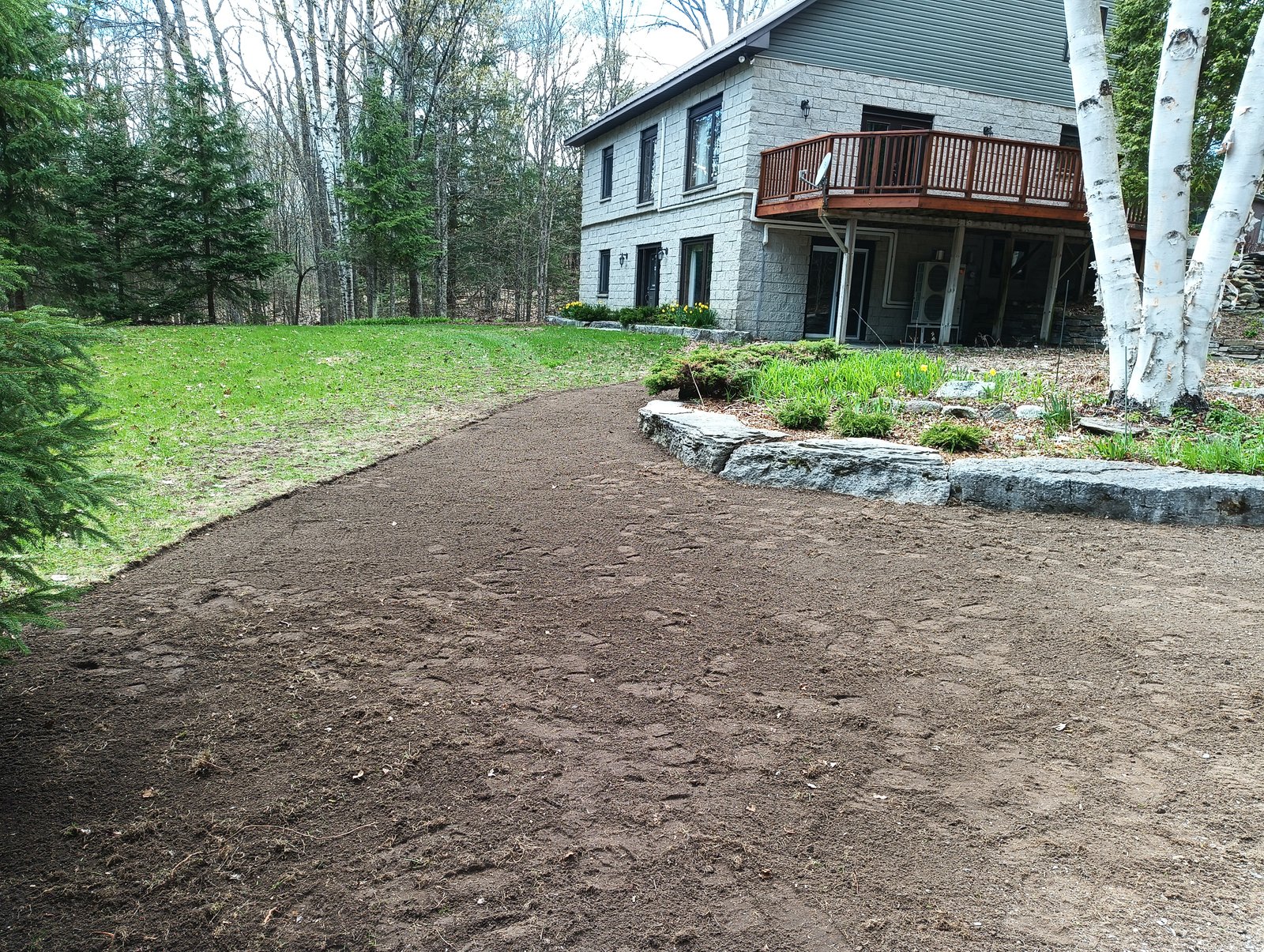 Before
 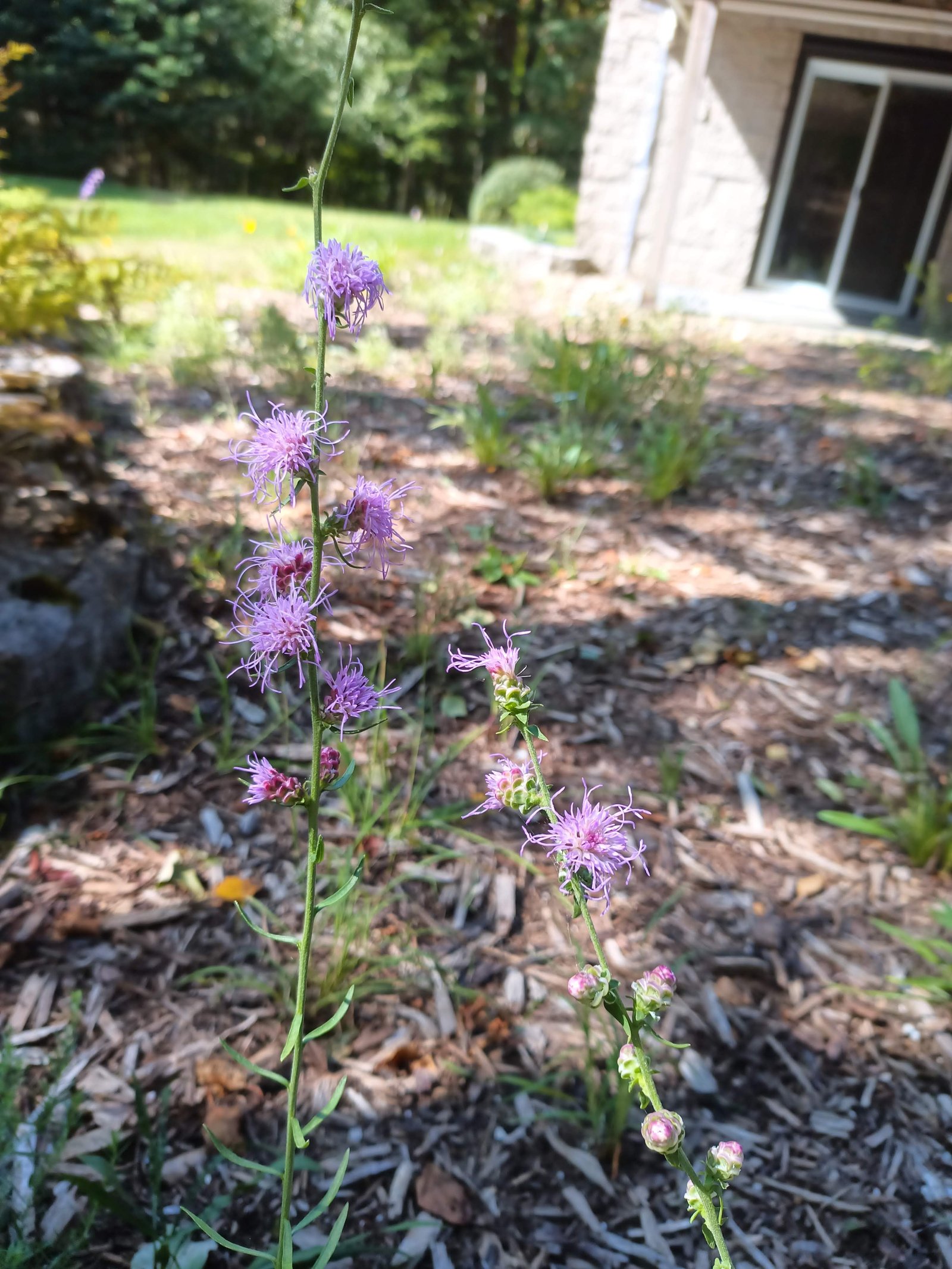 After
After 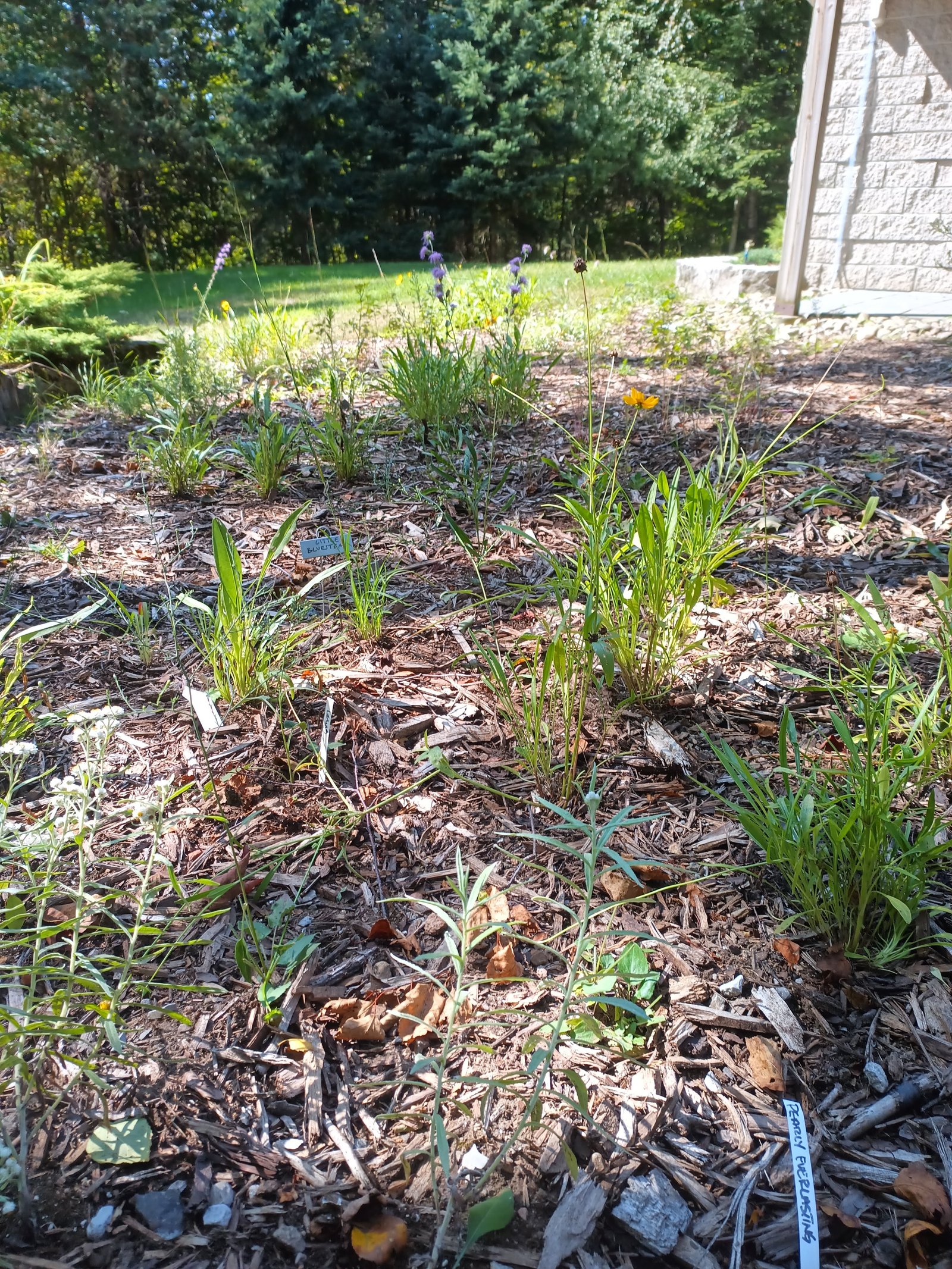
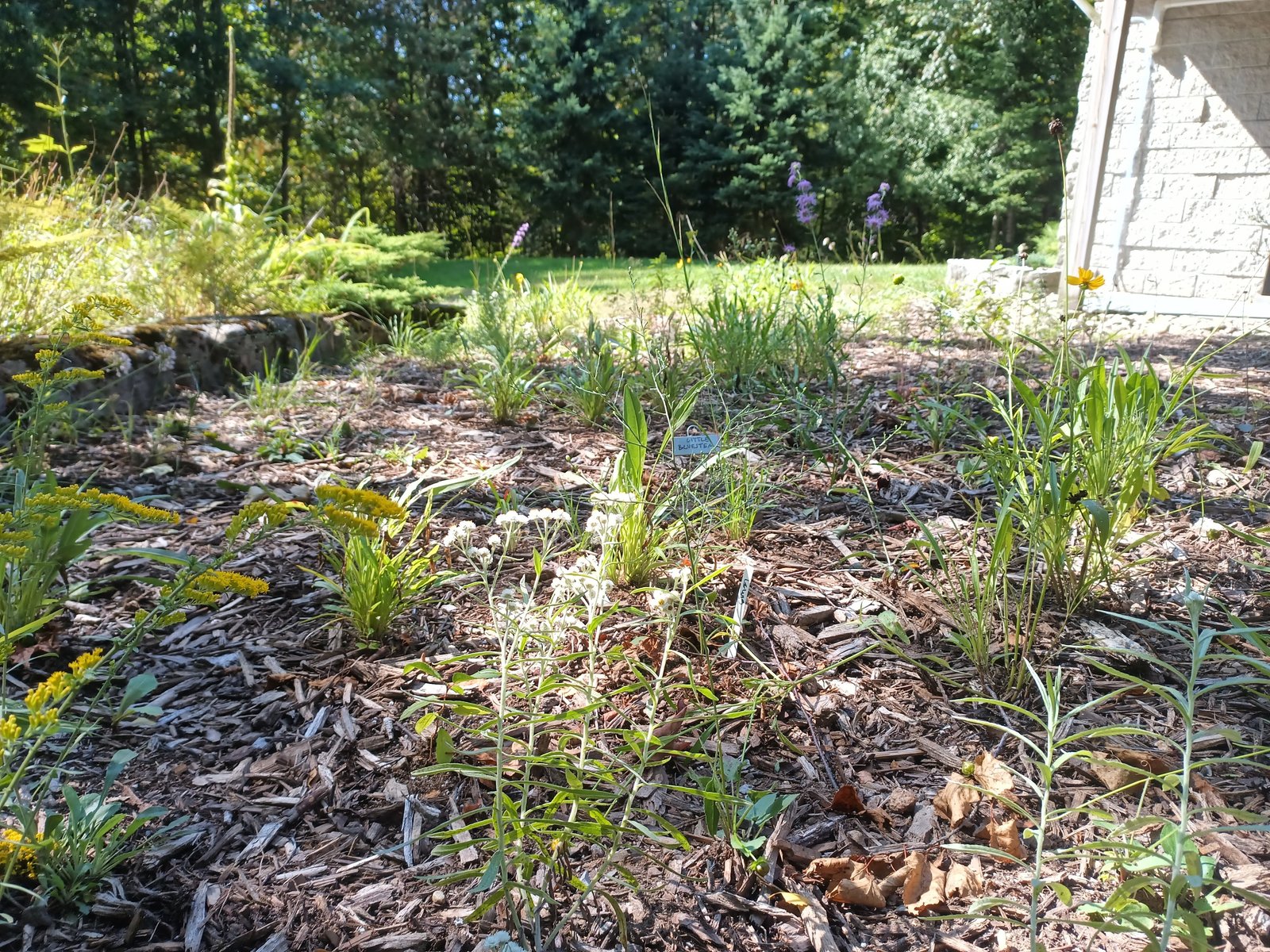
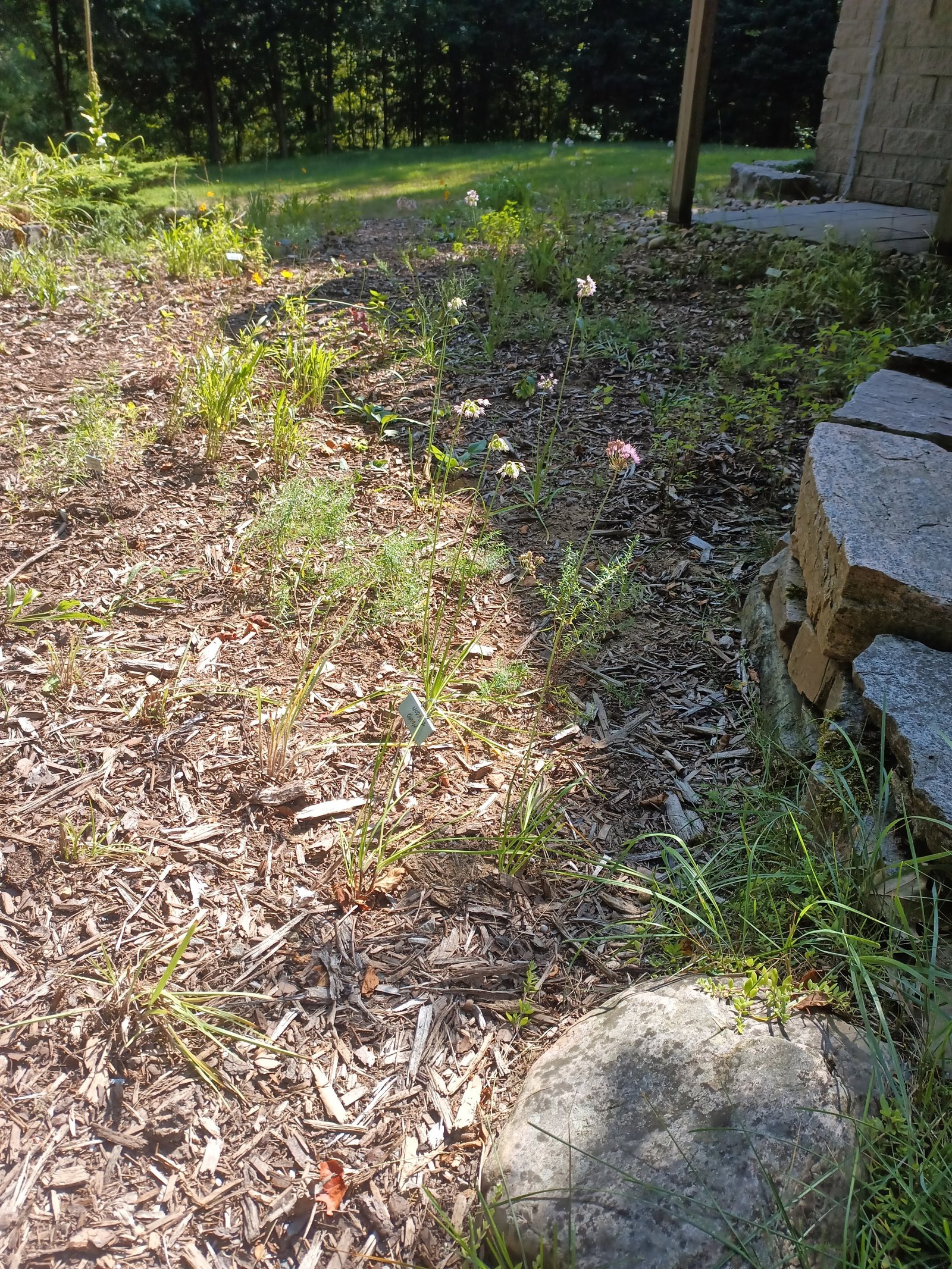
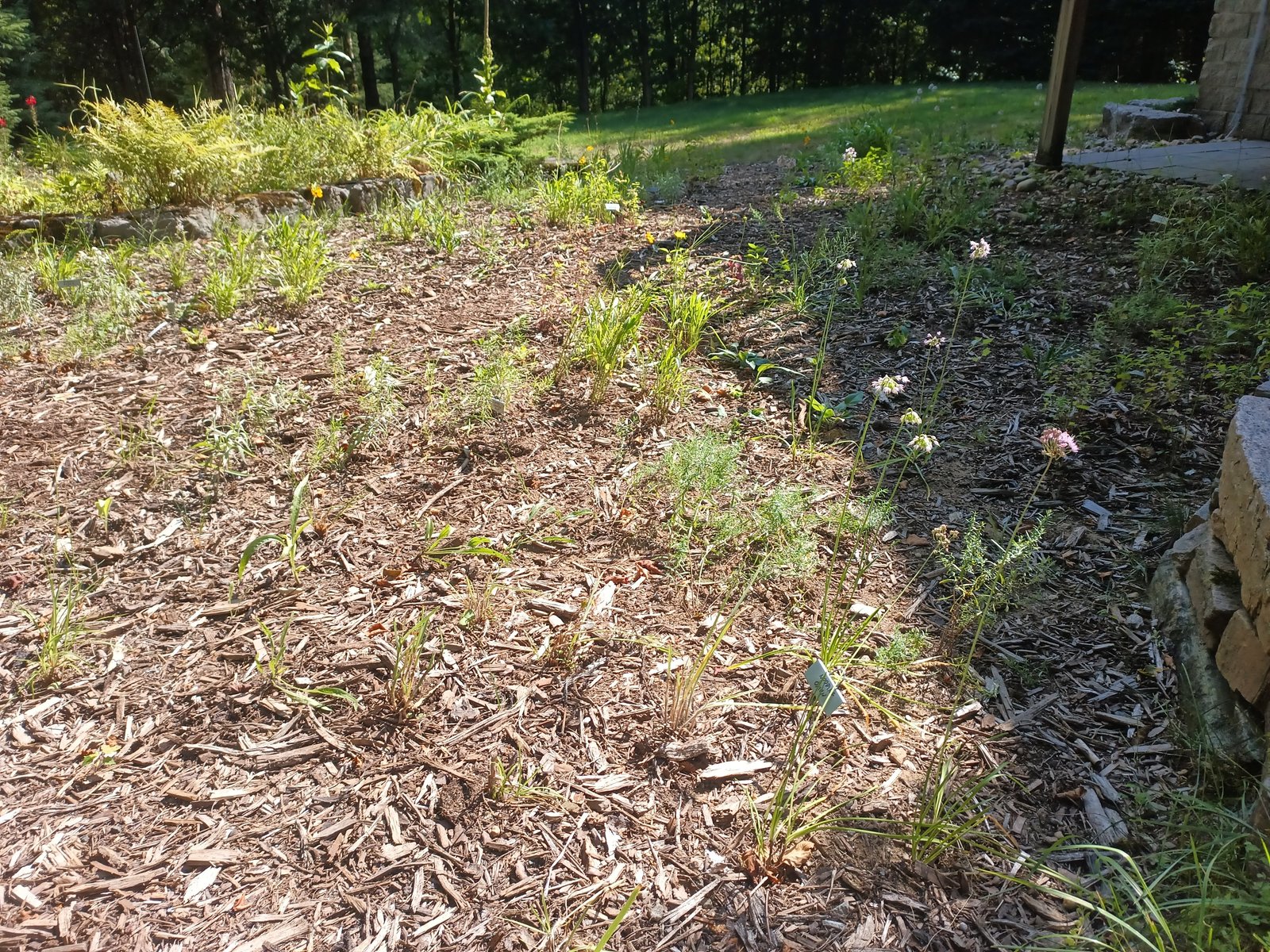
The Pollinator Paradise was installed in spring 2025 across two zones — the Meadow Garden (582 plants across 19 species) and the Moist Corner (18 plants across 3 species). Together they convert a section of front lawn into a continuous-bloom native meadow with sweeping lines of Little Bluestem and Prairie Dropseed as the structural backbone. A second area, The Crescent, is planned for spring 2026 as a stage-two extension; details are recorded in the zone description.
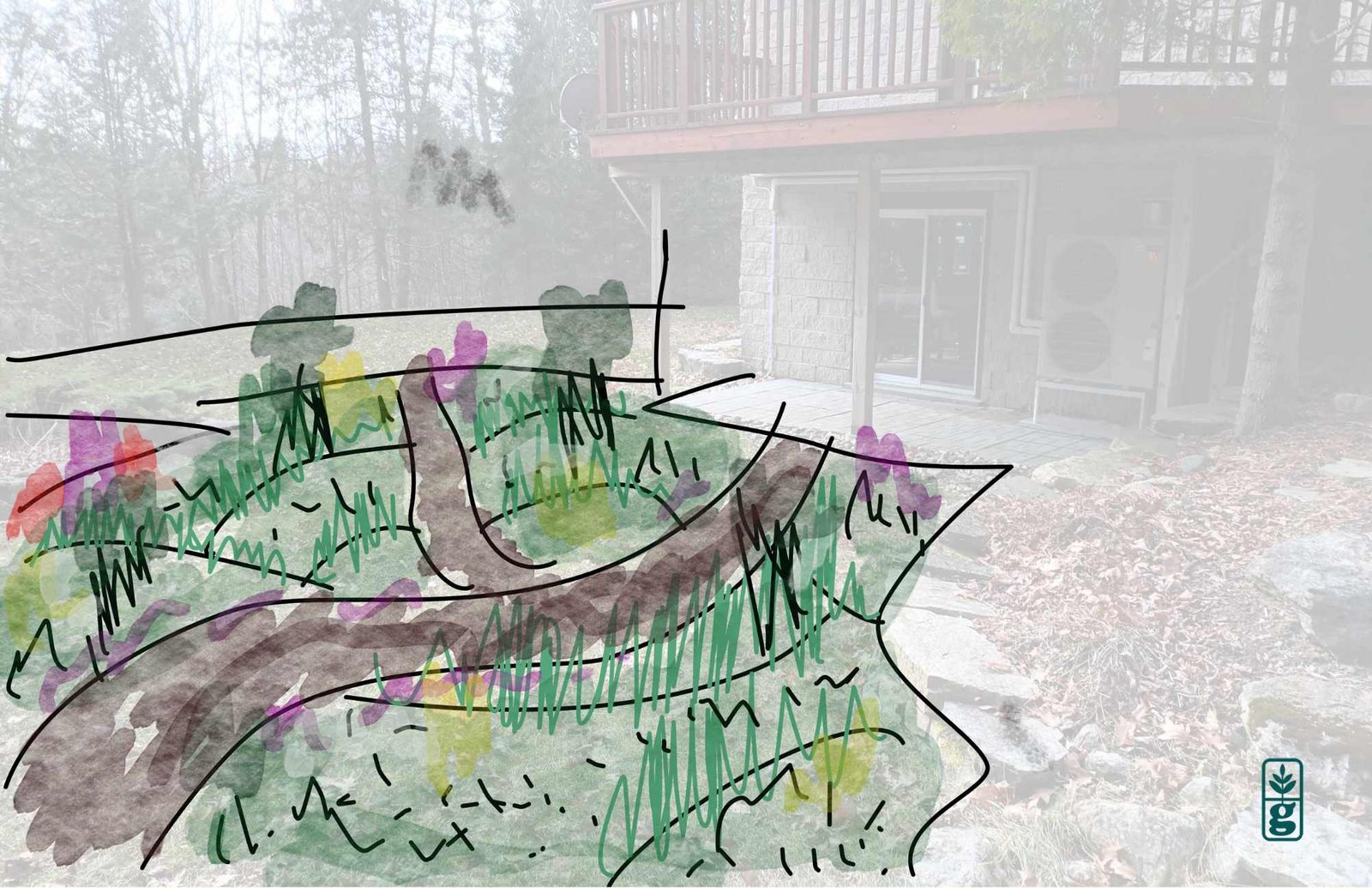
Planting areas: Meadow Garden · Moist Corner · The Crescent
The backbone of the garden is two species of grass: Little Bluestem and Prairie Dropseed. These grasses weave through the design in sweeping curves, anchoring the planting from midsummer through to fall when their foliage turns a reddish-bronze and their seed heads catch the light. Five specimens of New Jersey Tea shrub mark fixed points of structural interest across the garden, providing white flower clusters in late spring and a nitrogen-fixing presence in the soil year-round.
Around the grasses, perennial wildflowers provide interest from spring through fall. They are grouped according to their sociability — some spreading to form drifts, others holding their ground in tighter clumps — and placed to create complementary combinations: the fall-blooming goldenrods grow beside the asters, early bloomers like Prairie Smoke line the paths where their feathery seed heads can be seen close up, and the vivid blue-purple spiderwort opens its flowers at eye level each morning.
In the wetter corner near the large tree, a small cluster of moisture-loving plants thrives: Swamp Milkweed with its pink flower clusters and critical importance for Monarch butterflies; Cardinal Flower, which draws hummingbirds with its brilliant red blooms; and Zig-Zag Goldenrod, which extends late-season colour into the shadier end of the planting.
Two paths wind through the garden — one to the door and patio, another to explore the planting more deeply. They make the garden legible and invite exploration, so that the plants can be appreciated from within as well as across.
Click any plant to see its photo, rationale, and growing details.