Landscape Vision Guide
The Drag Lake Shoreline
A property in Ontario
Native Plant Vision Guide — Shoreline & Entrance Beds · October 2025

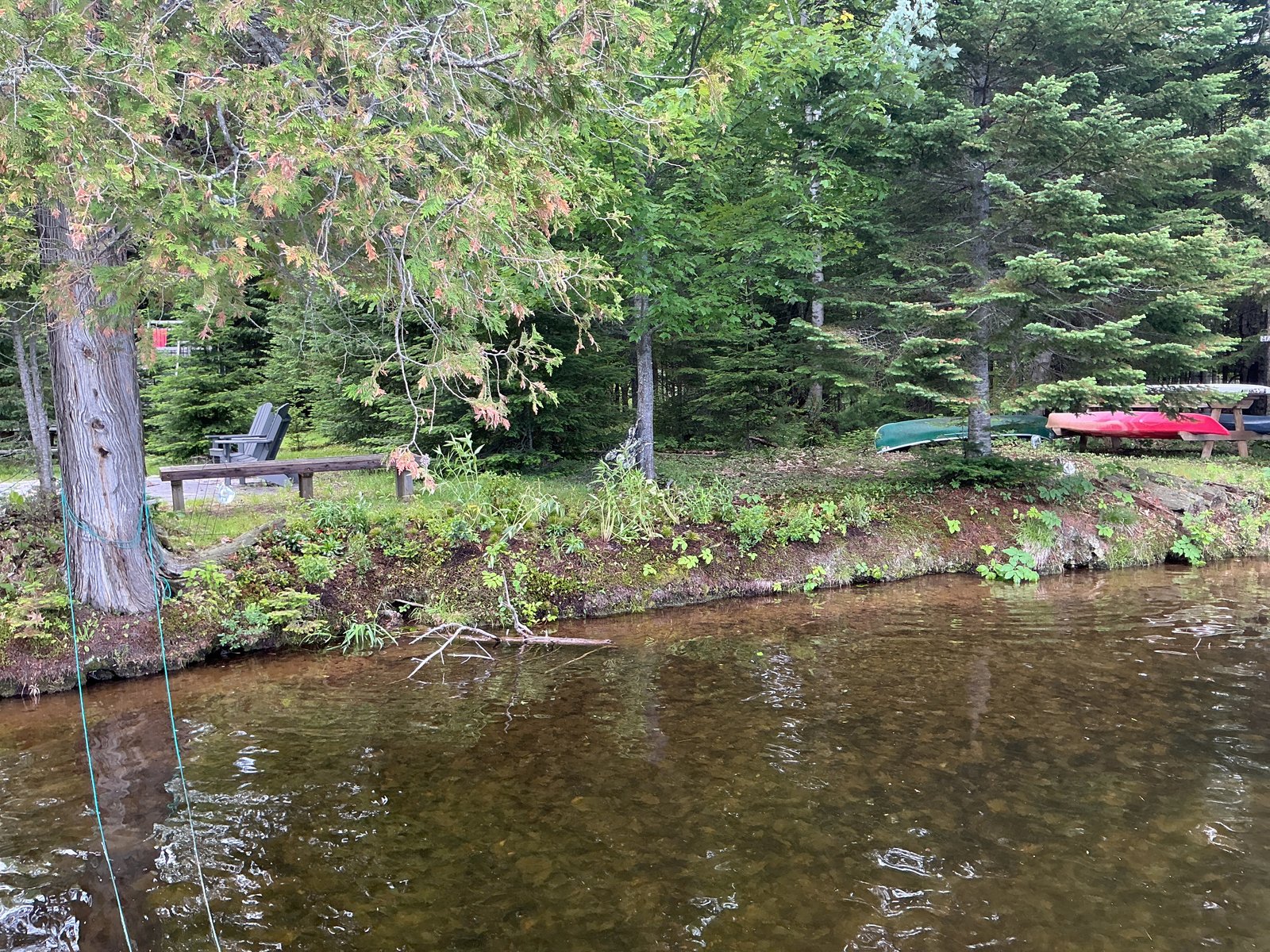
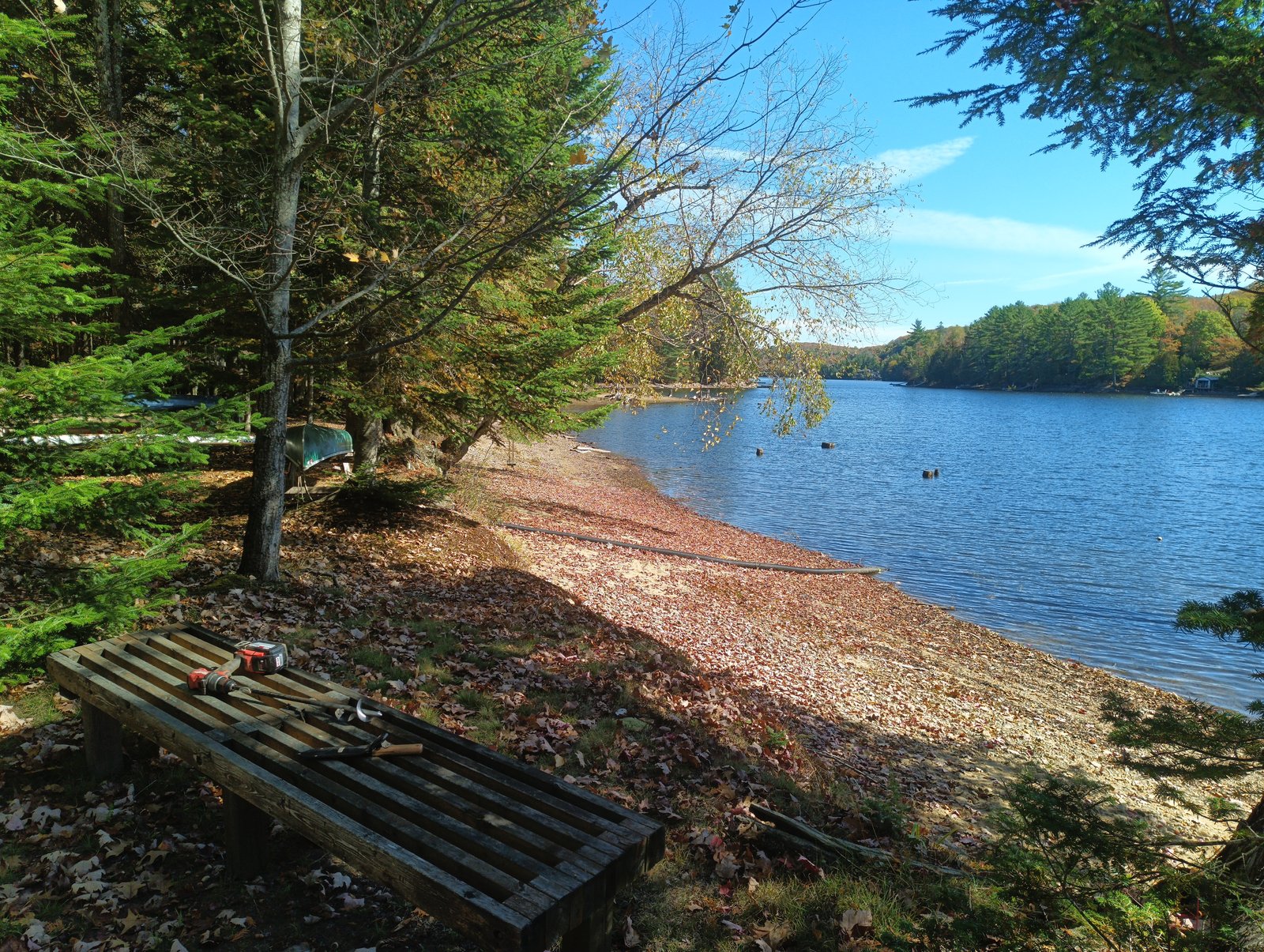 Before
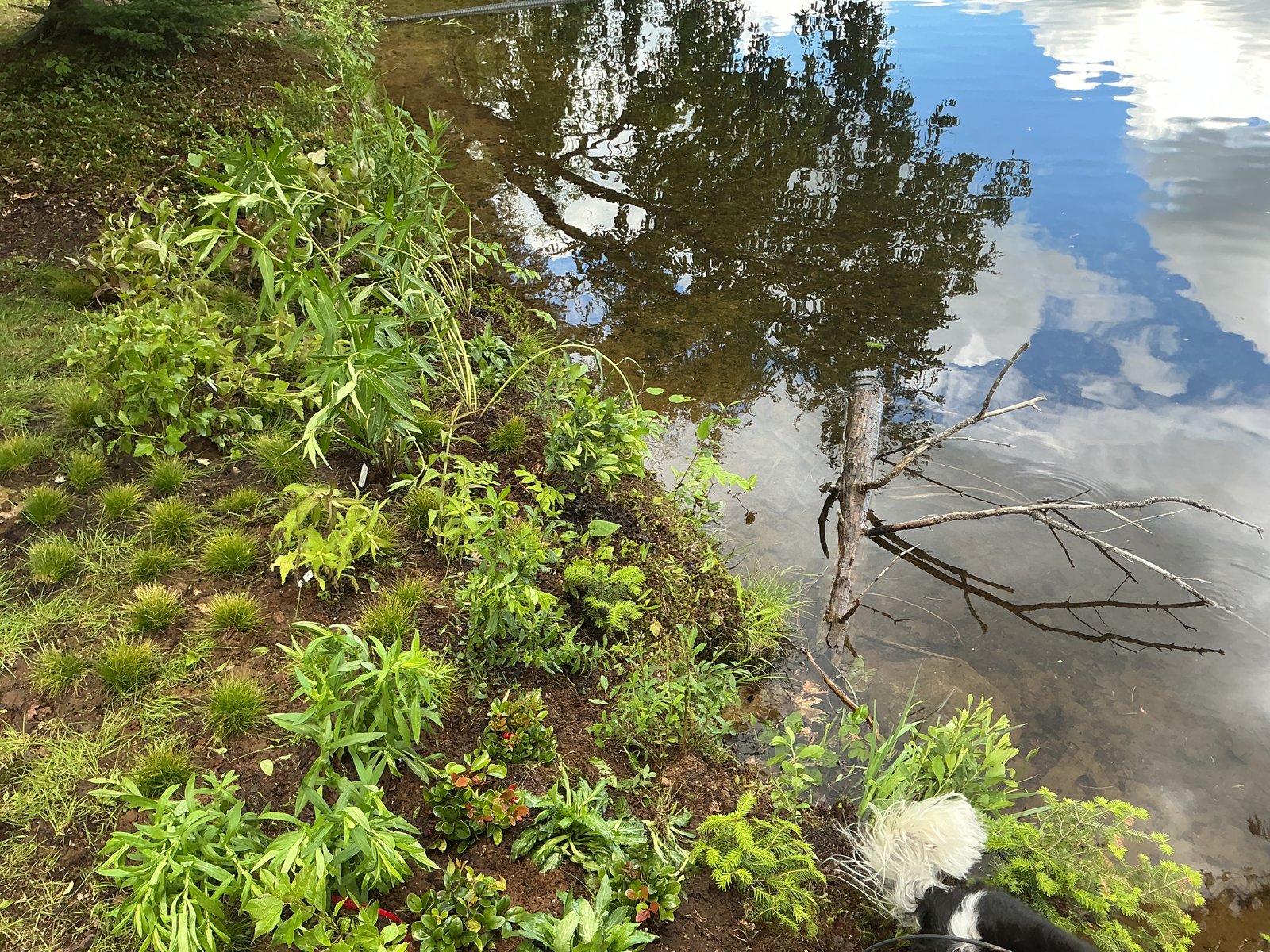
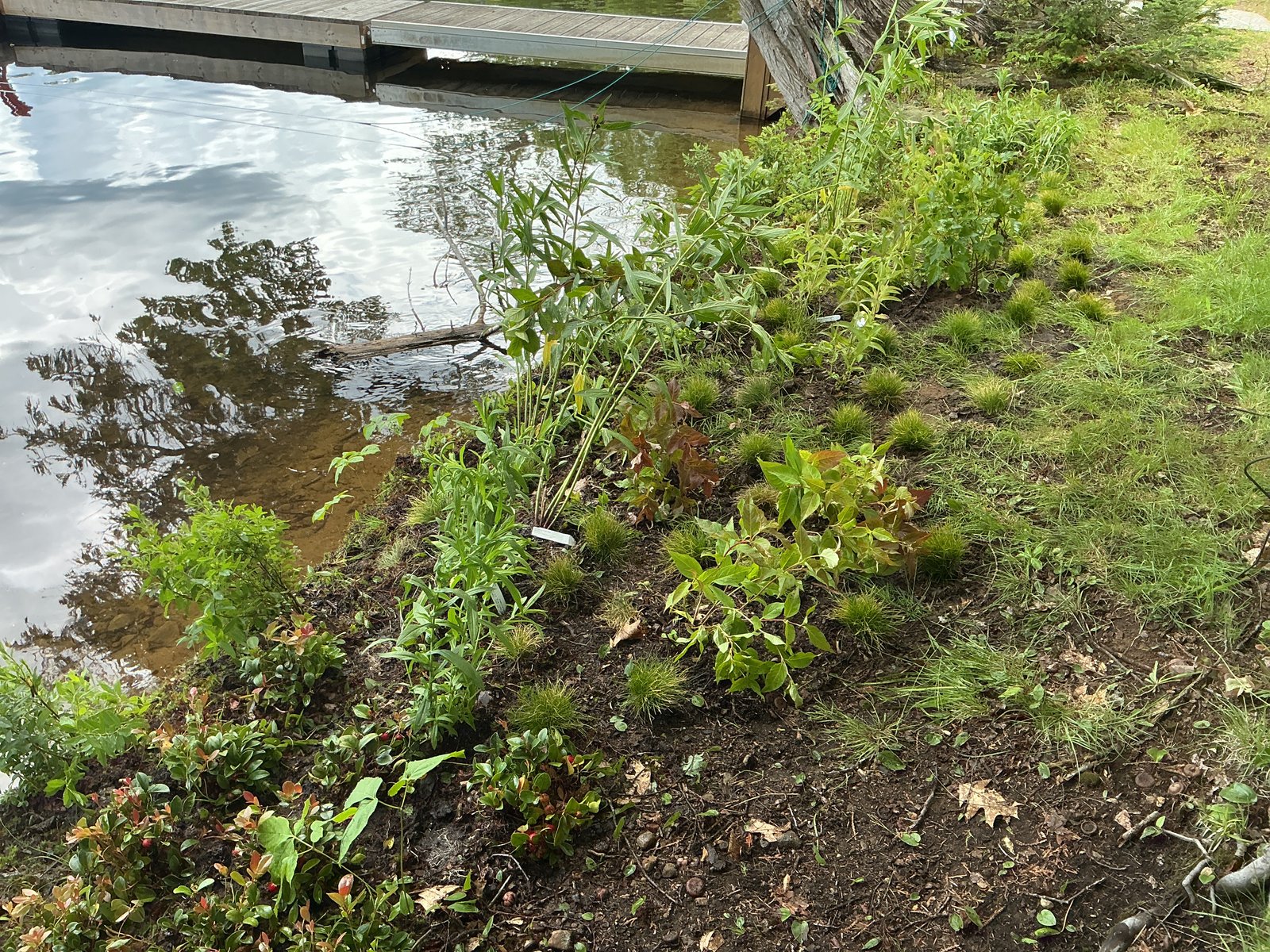
 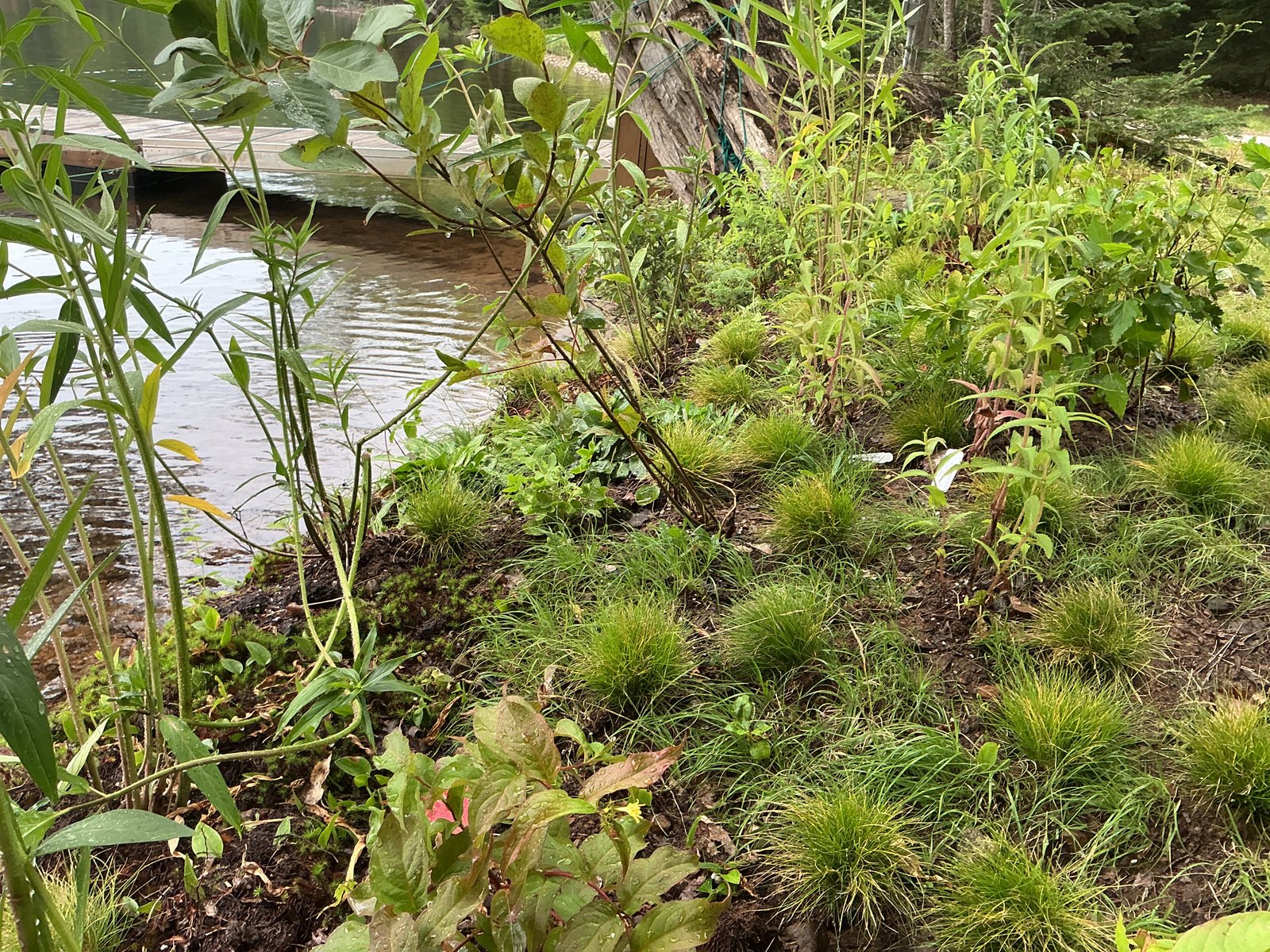 After
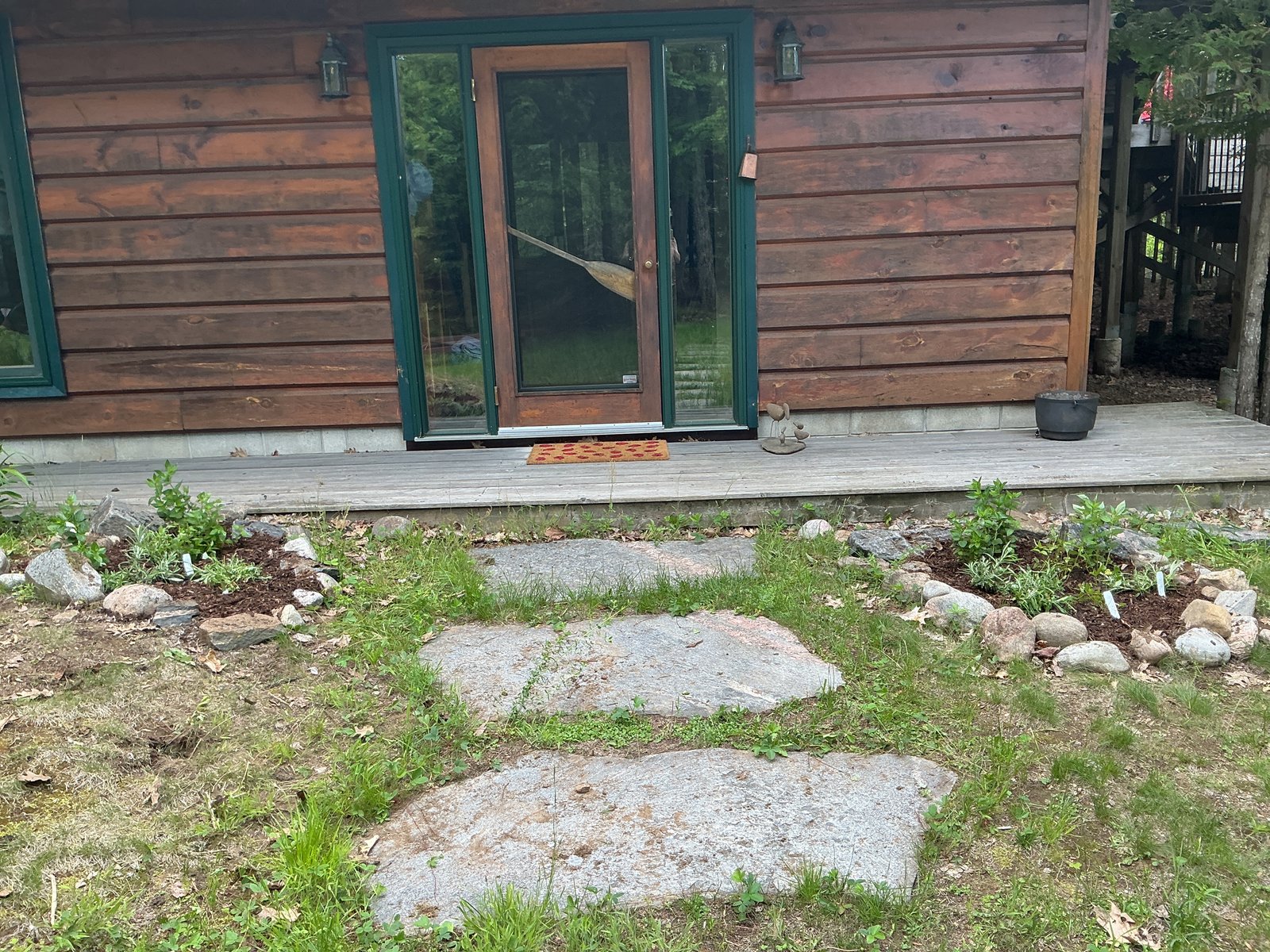
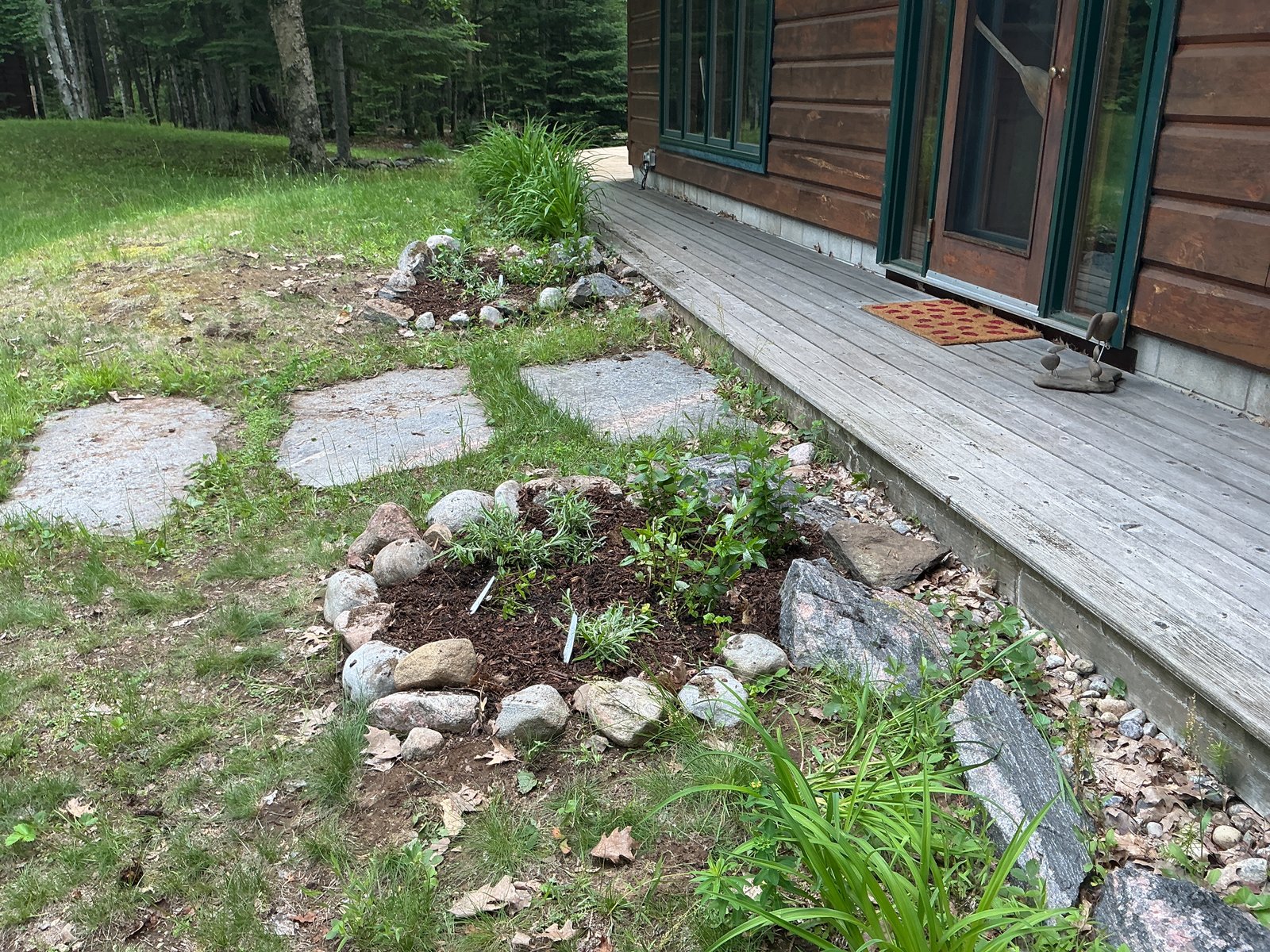
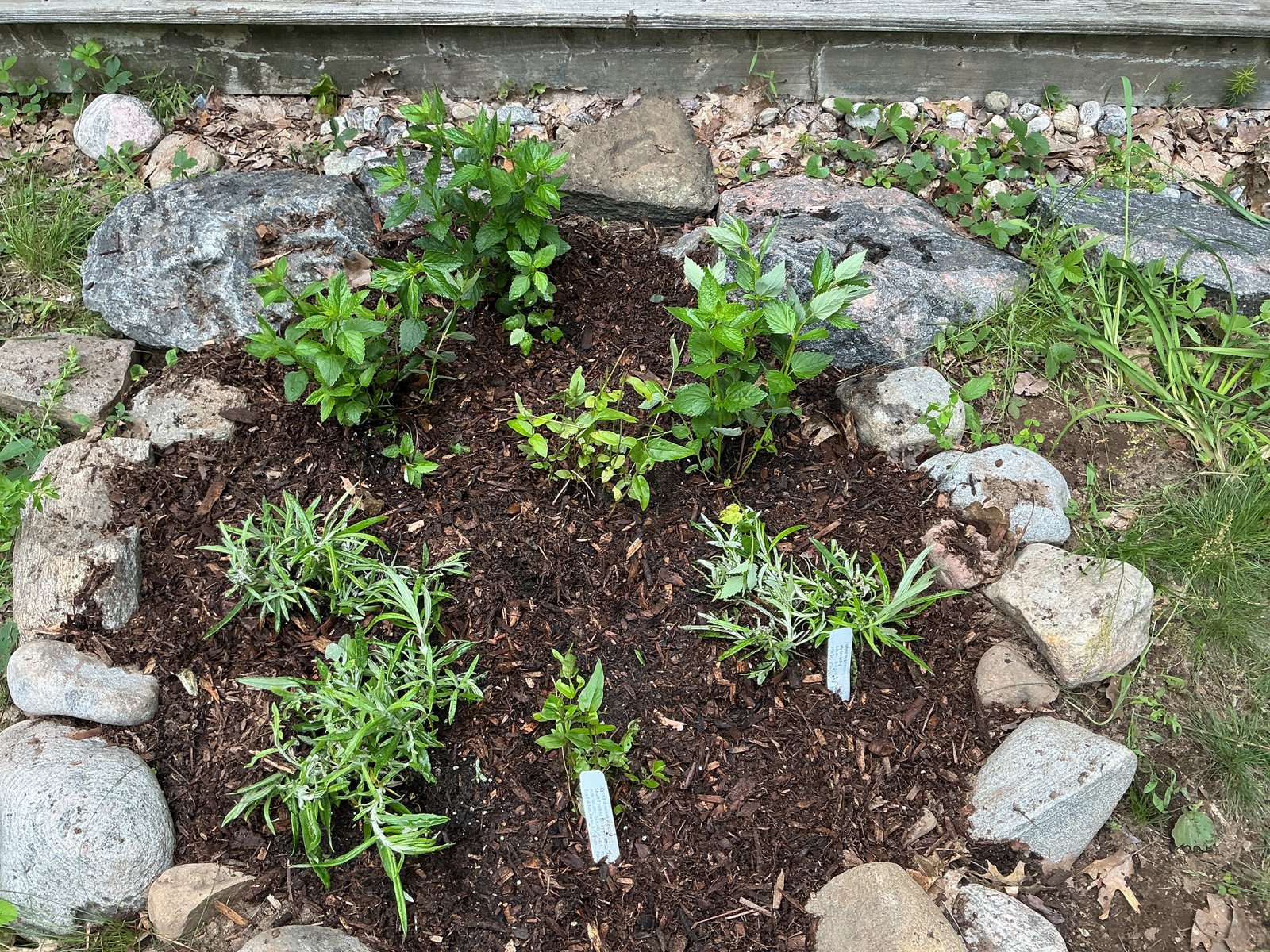
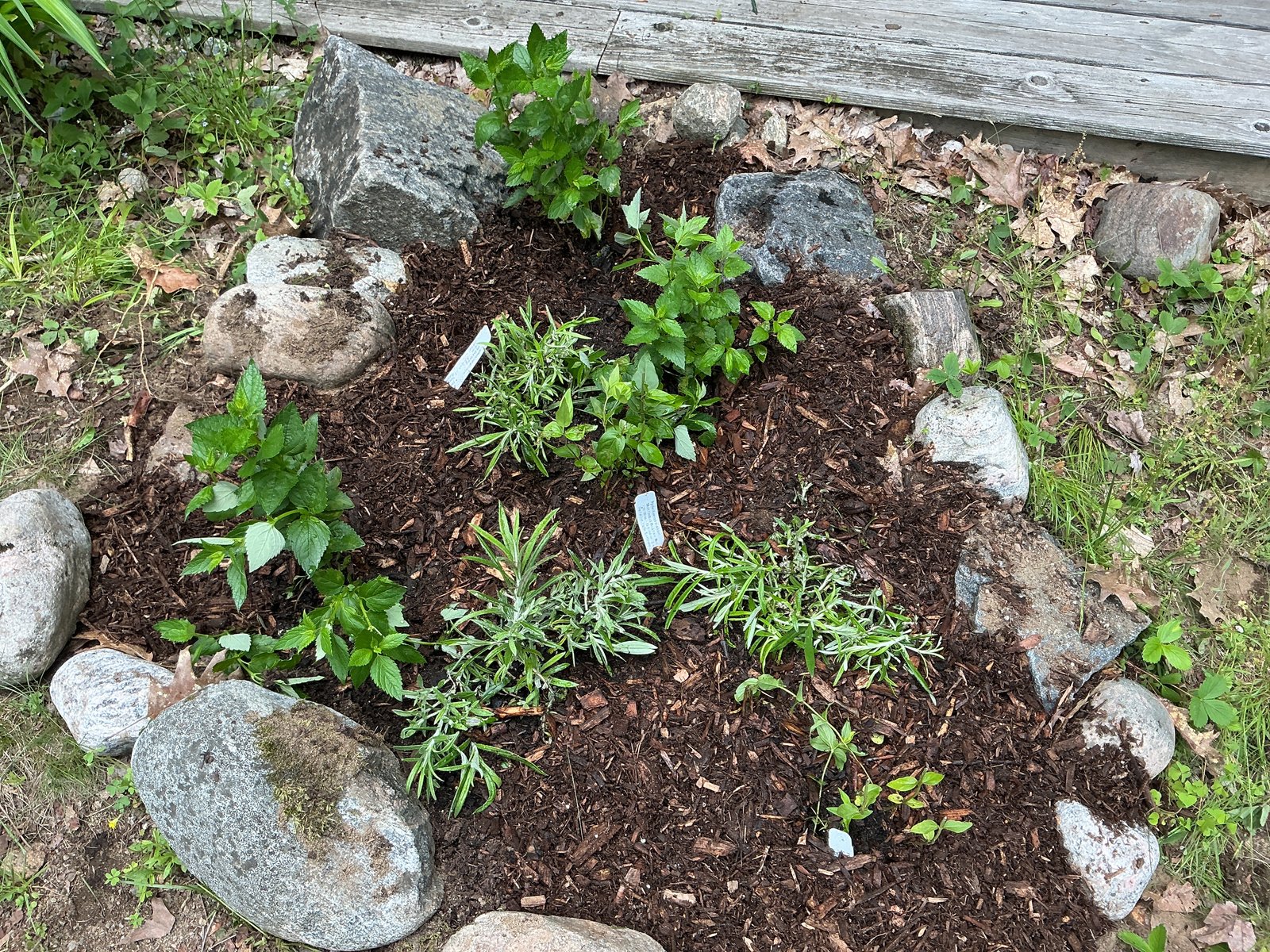
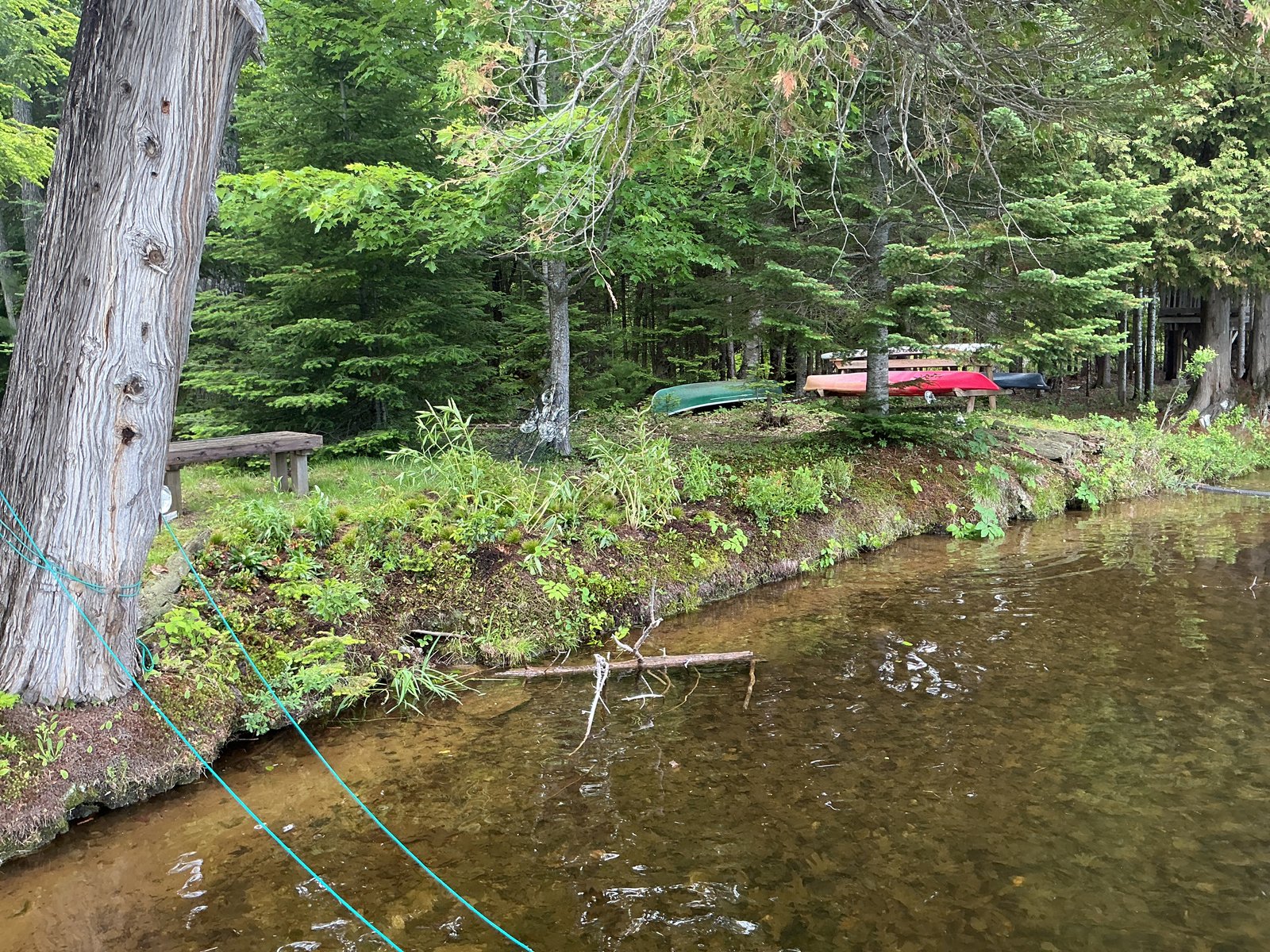
After Planting is in. The shoreline bed and both cottage entrance beds were installed on June 22, 2026. On the shoreline, the full palette went in along the moisture gradient — wet-tolerant species near the water's edge, with drought-adapted, deer-resistant shrubs moving up toward the drier ground under the cedars. The cottage beds were planted with a simple three-species palette, mulched with bark to help the sandy soil hold moisture through the summer. Everything is in the ground and the establishment year begins now.
Planting areas: Shoreline · Cottage Beds
Cottage Beds
The two entrance beds will be planted with a simple, repeated palette of three native species, all highly deer-resistant.
Pearly everlasting (Anaphalis margaritacea) forms the base of each bed: a low, spreading plant with distinctive silver-woolly foliage that brightens early in spring and carries white everlasting flowers into late summer.
Anise hyssop (Agastache foeniculum) provides vertical structure, its aromatic foliage and lavender flower spikes rising to two to four feet through summer.
Clustered mountain mint (Pycnanthemum muticum) adds a fine-textured, intensely aromatic element that pollinators find irresistible and deer reliably avoid.
All three species are well-suited to the dry, sunny conditions at the entrance and are native to this region. The same combination is repeated in both beds, which gives the entrance a clean, intentional look rather than a mixed collection. The beds will shift and intermingle naturally over time as the plants establish: that's part of how they work. Some editing in year two or three will keep them in balance.
Shoreline
The shoreline bed is designed around the natural moisture gradient that runs from the water's edge up the slope toward the cottage.
At the wet edge closest to the lake, the planting is anchored by species that are already at home in these conditions: meadowsweet (Spiraea alba) and sweet gale (Myrica gale) are both present on the site and carry into the new planting. Royal fern (Osmunda regalis) adds bold structure here. Common boneset (Eupatorium perfoliatum) fills in with late-summer white flower clusters, while swamp milkweed (Asclepias incarnata) and cardinal flower (Lobelia cardinalis) bring colour and are exceptionally valuable to pollinators and hummingbirds. Winterberry (Ilex verticillata) contributes striking red berries through fall and winter, providing colour long after the growing season ends.
The middle zone, where soil shifts from reliably moist to moist-drained, is anchored by black chokeberry (Aronia melanocarpa), with strong fall colour, and New England aster (Symphyotrichum novae-angliae), which closes the season with a flush of purple in September and October.
Moving up toward the drier, more acidic ground influenced by the cedar canopy, northern bayberry (Morella pensylvanica) and bush honeysuckle (Diervilla lonicera) form the structural backbone: both highly deer-resistant, both adapted to the leaner conditions under conifers.
At ground level throughout the bed, ivory sedge (Carex eburnea) weaves through as a low, fine-textured presence, particularly at home in the shadier sections. Eastern teaberry (Gaultheria procumbens) forms a low carpet in the driest, shadiest spots under the cedars.
Most species in this planting are highly deer-resistant. Two exceptions are meadowsweet and black chokeberry, which have moderate deer resistance and may need monitoring — particularly while they are becoming established. A few of the shrubs can exceed four to five feet at maturity and will need light pruning periodically to keep the views to the lake open.
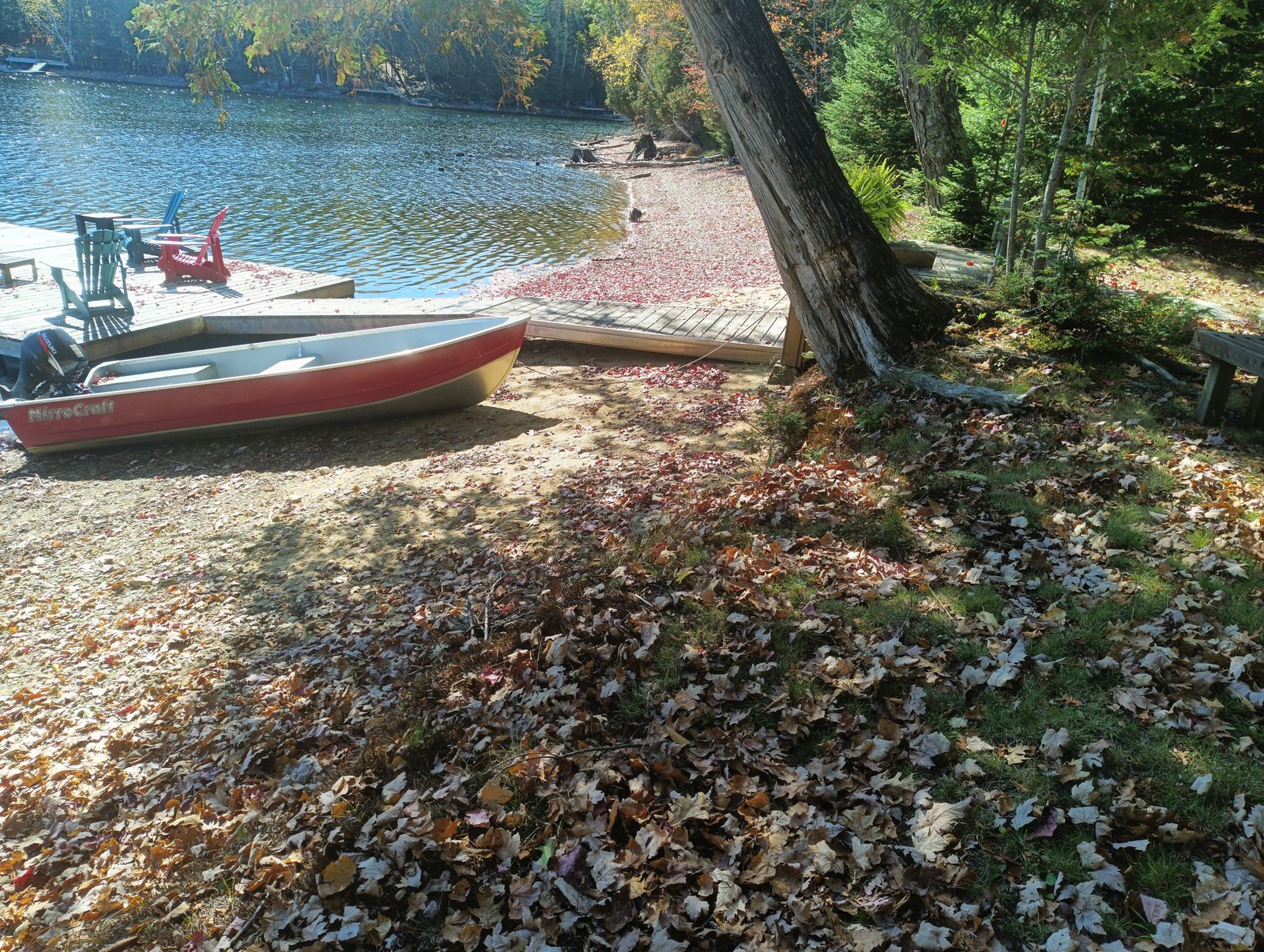
Click any plant to see its photo, rationale, and growing details.
June 22, 2026